
You’ve put in the effort. Maybe you’ve lost a lot of weight, or you’ve gone through the life-changing experience of pregnancy. Even with healthy eating and hours at the gym, some things like stretched skin and separated muscles just won’t change with exercise alone.
For many, the midsection remains the most stubborn area to refine. Life’s natural transitions, including aging and major weight changes, often leave behind loose skin and persistent fat deposits that resist even the most intense toning efforts. It’s a frustrating gap between how strong you feel and how you look in the mirror.
An abdominoplasty, often called a tummy tuck, reshapes the abdomen by removing excess skin and flattening the stomach. Just as important, it lets a surgeon repair weakened or separated abdominal muscles, restoring the internal support that gives the area a firm, lasting foundation — something exercise alone can’t rebuild once the muscle has stretched.
In fact, abdominoplasty is one of the most popular cosmetic surgeries performed worldwide. Surgeons completed over 1.1 million tummy tuck procedures globally in 2022, making it the fourth most common cosmetic surgery that year, according to ISAPS.
At Aesthetic Arts, with cosmetic surgeons serving Commerce Buford and Monroe, we often hear from patients who, despite doing everything right, still can’t attain the midsection they desire. This article explains who is a good candidate, the various types of tummy tucks, and how the procedure works. You’ll also find out what recovery entails and how to preserve your results long-term.
Key takeaways
- A tummy tuck removes excess abdominal skin, eliminates stubborn fat, and repairs separated muscles that diet and exercise can’t fix on their own.
- Candidacy depends on being at a stable weight, being done with future pregnancies, and being a non-smoker, because each of these factors directly affects healing and long-term results.
- Four main types exist, from the targeted mini tummy tuck to the more comprehensive fleur-de-lis, and your surgeon matches the technique to your anatomy and goals.
- The procedure takes two to five hours under general anesthesia, with the incision placed low enough that a bikini bottom typically covers it.
- Most patients return to desk work within two to four weeks, reach full activity by six to eight weeks, and see final results around the six- to nine-month mark.
Am I a good candidate for a tummy tuck?
Your candidacy is influenced more by your anatomy, health, and timing than by any one factor. Knowing your current situation enables you to make a well-informed decision about whether to proceed.
Pregnancy is a common reason patients start looking into how to achieve a firmer and flatter abdomen. During pregnancy, the two vertical muscles along the front of your abdomen can separate, a condition known as diastasis recti.
According to the Cleveland Clinic, that separation occurs in up to 60% of postnatal women. No amount of core work can pull those muscles back together once they’ve stretched beyond a certain point.
Furthermore, a significant weight loss tells a similar story. After dropping 50 or more pounds, your skin may simply not bounce back on its own. Collagen and elastin, the proteins responsible for skin elasticity, diminish with age and with prolonged stretching, resulting in excess hanging skin.
Here’s what generally makes you a strong candidate:
- You’re at or near a stable weight and have maintained it for at least 6 months
- You’re finished having children, since pregnancy can reverse muscle repair
- You’re a non-smoker or willing to quit before surgery
- You have excess skin, separated muscles, or both that haven’t responded to exercise
- You have clear, specific goals for your midsection
Several factors can delay the procedure. Smoking increases the risk of healing issues, and a BMI over 30 raises the chance of post-surgical complications. If you’re still aiming to lose a considerable amount of weight, it’s better to reach your goal first to achieve a more favorable outcome.
Most surgeons recommend waiting at least 6 months at a stable weight before moving forward with surgery. Our surgeon, Dr. Kluska, evaluates each patient individually, assessing skin quality, muscle separation, and overall health during an in-person consultation. That personal assessment matters because no two abdomens are the same, and the best approach for your body might be completely different from that of someone else.
For patients still working toward that stable weight, our medspa offers effective weight loss medical programs with physician supervision. It starts with a one-on-one assessment, and your provider builds a plan around your body, your lifestyle, and a pace you can sustain. Reaching and holding a stable weight before surgery does more than check a candidacy box: it helps your body heal, lowers the chance of complications, and protects the long-term shape your tummy tuck creates.
If you’re wondering whether you might be a good fit, reach out to our team for a straightforward conversation about your options.
What types of tummy tucks are available?
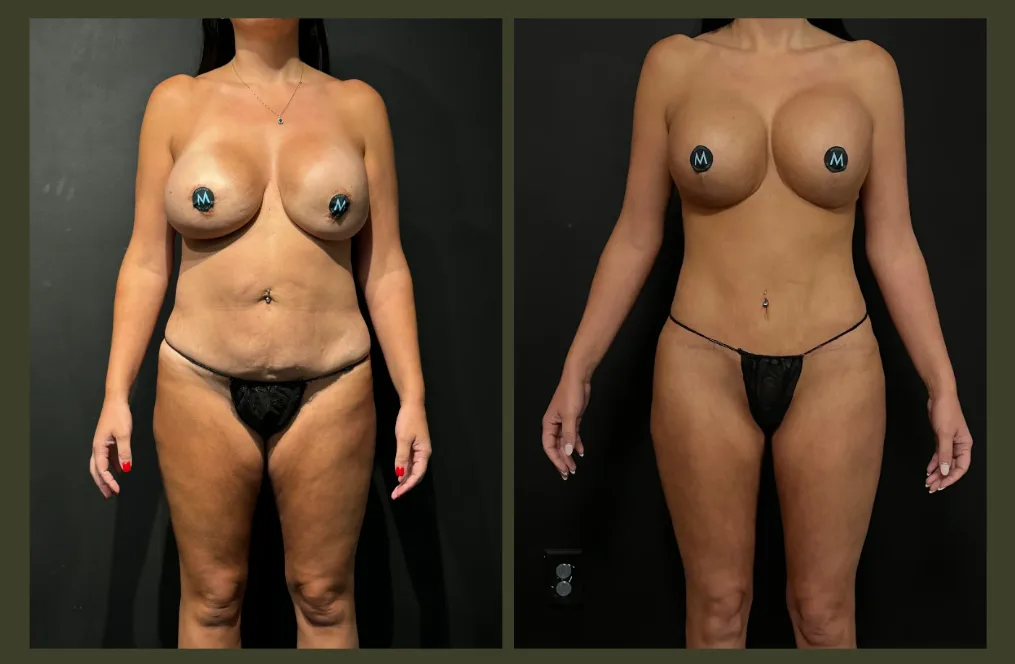
Not all tummy tucks are identical. The best method depends on the extent of your excess skin, its location, and whether muscle repair is necessary, and which tummy tuck technique matches your anatomy is the question your surgeon works through with you. Here’s a brief overview before we examine each option in detail.
| Type | What it addresses | Incision | Typical recovery to desk work |
|---|---|---|---|
| Mini | Lower belly only | Short, below the belly button | 1-2 weeks |
| Full | Upper and lower abdomen | Hip to hip, around the navel | 2-4 weeks |
| Extended | Abdomen plus flanks | Longer, wraps around the hips | 4-6 weeks |
| Fleur-de-lis | Vertical and horizontal excess | T-shaped (horizontal + vertical) | 4-6 weeks |
Mini tummy tuck
A mini targets only the area below your belly button. Your surgeon makes a shorter incision, removes the excess skin, and may tighten the lower abdominal muscles. This option works best if your concerns are limited to a small pooch in the lower abdomen. It doesn’t address the upper belly or reposition the navel. Recovery tends to be the fastest of all four types.
Full tummy tuck
The full procedure is the most commonly performed version. Your surgeon makes a hip-to-hip incision, lifts the abdominal skin, tightens the underlying muscles from top to bottom, and repositions the belly button.
This is the go-to choice for patients with both loose skin and diastasis recti throughout the abdomen. Many women, after pregnancy, find that this procedure addresses everything that core exercises couldn’t.
Extended tummy tuck
An extended tummy tuck covers the same area as a full tummy tuck but extends further around the flanks. The incision wraps beyond the hips to address excess skin on the sides and lower back.
This type is common after massive weight loss, where skin laxity extends well beyond the front of the abdomen. Excess fat removal for a toned look along the flanks is often combined with this approach for better overall results.
Fleur-de-lis tummy tuck
The fleur-de-lis adds a vertical incision to the standard horizontal one, creating a T-shaped pattern. This addresses both horizontal and vertical skin excess simultaneously.
It’s typically recommended for patients who’ve lost a significant amount of weight and have loose skin running in both directions. The tradeoff is a more visible scar, but for patients with substantial excess, the improved contour can be significant.
Your surgeon determines which type fits your body by evaluating the amount and location of excess skin, your muscle tone, your BMI, and your cosmetic goals. That evaluation happens during your in-person consultation.
How is tummy tuck surgery actually performed?
Understanding what occurs in the operating room removes much of the mystery and anxiety surrounding the procedure. For a closer walkthrough, what happens at each stage of the surgery covers the decisions a surgeon makes at every point. Here’s a step-by-step overview of a typical process from beginning to end.
Anesthesia
A tummy tuck is done under general anesthesia, so you are completely asleep and won’t experience any sensation during the procedure. Occasionally, intravenous sedation might be used as an alternative. Your anesthesiologist monitors you throughout the entire surgery to keep everything safe and comfortable.
The incision
Your surgeon makes a horizontal incision that runs from hip to hip, positioned low in the bikini line so that clothing and swimwear can cover it afterward. A second small incision is made around the belly button to free the belly button from the surrounding skin.
For a mini tummy tuck, the incision is shorter, and there’s no cut around the navel.
Muscle repair
Once the skin is lifted away from the abdominal wall, the surgeon brings the separated rectus muscles back together along the midline using long-lasting sutures. This step, called plication, is what restores core strength and creates a firmer, flatter profile.
It’s the part of the procedure that no gym routine can replicate. If you have diastasis recti, this repair is what makes a tummy tuck produce results that exercise alone simply cannot achieve.
Belly button repositioning
After the muscles are tightened and excess skin is removed, the remaining skin is pulled down into its new position. Your belly button, still attached to its original blood supply, is brought through a new opening so it sits naturally on the tighter abdominal surface.
Duration
A full tummy tuck typically takes two to five hours, depending on the complexity and whether liposuction is combined for additional contouring. Mini procedures tend to be shorter, often wrapping up in one to two hours.
Dr. Kluska, trained at the Cleveland Clinic Health System and certified as a Master Surgeon by the Surgical Review Corporation, performs abdominoplasty at the AAAHC-accredited surgical center in Commerce. This combination of advanced training and a certified facility provides patients with extra confidence before surgery.
Karyna S., a patient who had a tummy tuck with muscle repair and liposuction, shared:
“I cannot say enough amazing things about Dr. Kluska and his team! I had a tummy tuck (abdominoplasty with neo-umbilicus), muscle repair, and liposuction, and from start to finish the experience was outstanding. Dr. Kluska has a phenomenal bedside manner, he truly listens to what you want, takes time to understand your goals, and offers expert suggestions that make all the difference in the results..”

What are the risks and benefits of a tummy tuck?
As with any major surgical intervention, a tummy tuck carries inherent risks that require careful consideration. Immediate post-operative concerns typically include swelling, bruising, and discomfort, which are managed during the recovery period. However, generally, the benefits outweigh the concerns for most patients.
| Benefits | What to keep in mind |
|---|---|
| Flatter, firmer abdomen | A permanent scar, placed low and hidden by clothing |
| Repaired core muscles and better posture | Temporary numbness near the incision that fades over months |
| Stretch mark removal below the belly button | Swelling that takes weeks to resolve fully |
| Improved clothing fit and comfort | A recovery period of several weeks before full activity |
| 94% of patients in one study said they’d choose the procedure again | Uncommon but possible fluid buildup that resolves with care |
The vast majority of patients go through the healing process without any issues. When concerns do come up, the most common is seroma, a small pocket of fluid that your body typically reabsorbs on its own or that your surgeon can address quickly in the office.
Choosing a triple-board-certified surgeon with specific abdominoplasty experience is one of the most effective ways to minimize risk. Following post-operative instructions closely, including avoiding smoking, makes a meaningful difference as well.
Researching carefully before making such a personal decision is exactly the right approach.
What does tummy tuck recovery look like week by week?
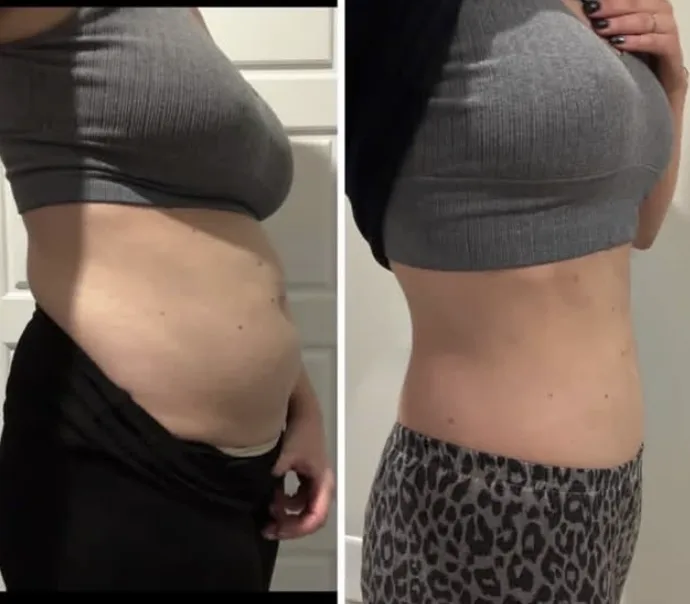
Recovery is gradual, and the timeline below is a general roadmap, not a fixed schedule. How quickly you move through each stage depends on the type of tummy tuck, your anatomy and overall health, and the specific guidance Dr. Kluska gives you. Knowing the general shape of recovery helps you plan and stay patient with the process.
Week 1-2
The first two weeks are the most restrictive. You’ll experience swelling, tightness, and moderate discomfort that your surgeon manages with prescribed medication. Walking short distances is encouraged from day one to promote healthy blood flow.
Most patients spend this time resting, sleeping slightly elevated, and wearing a compression garment to support healing tissues. Driving, lifting anything heavier than a few pounds, and bending at the waist are off limits during this window.
Weeks 3-6
Swelling begins to decrease noticeably, and you’ll feel more like yourself each week. Many patients return to desk work between weeks 2 and 4, though physically demanding jobs may require a bit more time.
Light walking continues to increase gradually. Running, lifting heavy objects, and core exercises stay on hold until your surgeon clears you.
Months 2-6 and beyond
This is when the change becomes clearly visible. Residual swelling keeps diminishing, and the flatter, firmer abdominal contour gradually takes shape. For most patients the best results appear around six to nine months after surgery, though the exact timing varies from person to person.
Your scar, which sits low along the bikini line, fades significantly over this period. Scar care techniques, such as taping the incision and avoiding sun exposure, help make it as inconspicuous as possible.
Lifestyle factors like smoking or previous abdominal surgeries can slow healing. Since nothing heals symmetrically or all at once, the best outcomes come from following your surgeon’s instructions and practicing good health habits during this time.
Angela D., who set out to get back into shape after retirement, shared her experience:
“I found Aesthetic Arts and started going at first just for Botox to scope the place and people out. After a few appointments of that I asked about the tummy tuck. Was told I was a good candidate but needed to lose a few pounds. I was very nervous about having this procedure because I didn’t need to do it but Alexa made me feel so comfortable and like she would be there for me anytime which took a lot of the stress off. I am 6 months after surgery and I love it. My scar is healed and barely noticeable. My stomach is flat and I look great in my clothes. I couldn’t be happier.”
How long do tummy tuck results last?
The short answer is that your results can last a lifetime, with a couple of important caveats.
The skin and fat removed during surgery are gone permanently. The muscle repair holds up well over time, too. A study tracking 188 patients found that tummy tuck results remained stable at 3 months, 1 year, and even 5 years after surgery, with no revisions needed for additional skin removal.
The biggest factor in protecting those results is keeping a stable weight. Gaining or losing a significant amount can stretch the skin and muscles again. Pregnancy after a tummy tuck can also reverse the repair, which is why most surgeons recommend timing cosmetic procedures for mothers for after your family is complete.
Your scars continue to improve for up to two years. Keeping incisions out of direct sunlight and following your surgeon’s scar-care recommendations helps them become barely noticeable over time.
Many patients find that a tummy tuck becomes part of a broader investment in how they feel year-round, and because the same team also handles non-surgical care, that maintenance is easy to coordinate. BOTOX® and dermal fillers, two of our most-requested services, offer subtle, long-term ways to keep features balanced as your results settle in.
For skin-focused care, Diamond Glow facials, dermaplaning, and microdermabrasion help keep the complexion smooth and radiant in the months and years after surgery. Patients enrolled in Allē, Allergan’s loyalty program, can also earn rewards toward future BOTOX® and filler appointments.
What should you expect during a tummy tuck consultation?
A consultation is not only an opportunity for your surgeon to assess you but also a chance for you to evaluate the surgeon and the practice. This two-way conversation is essential in building genuine confidence in your decision.
During your visit, your surgeon performs a hands-on assessment of your abdominal skin, muscle tone, and overall anatomy. This is something a screen simply can’t replicate, which is why in-person consultations are the standard across all three Georgia office locations.
You’ll discuss your specific goals, any past surgeries or pregnancies, and what results are realistic for your body. Your surgeon then walks through the recommended approach, whether that’s a mini, full, extended, or fleur-de-lis procedure, along with what recovery will look like for your specific situation.
This is also the time to ask anything on your mind. Patients often ask about scar placement, how long they’ll need off work, and what their abdomen will realistically look like once healing is complete. Nothing is off limits.
Surgical procedures are performed at the AAAHC-accredited facility in Commerce, which has earned that distinction five consecutive times. The accreditation means the facility meets rigorous national quality and safety standards.
Conclusion
If you’ve stood in front of the mirror wondering why your body won’t reflect the work you’ve put in, you’re not alone — it’s one of the most common things patients tell us. A tummy tuck can close that gap between effort and result, but the right plan always starts with understanding your individual anatomy. Before-and-after photos of patients with a similar starting point are a helpful way to picture what’s possible, and a personal consultation fills in the details those photos can’t.
At Aesthetic Arts, Dr. Kluska and our team believe every patient deserves to feel heard, respected, and confident in their choices. We also work to keep care accessible, offering flexible financing with 0% APR options through Cherry, CareCredit, Alphaeon, and PatientFi, so your investment in yourself can be spread into manageable payments rather than handled all at once.
When you’re ready, we’d be glad to talk it through in person. Schedule a personal consultation online, or reach our team in Commerce at (706) 335-3555 or our Buford office at (678) 541-0339. A flatter, more comfortable midsection — and an honest answer about whether a tummy tuck is right for you — starts with that first conversation.
Frequently asked questions
Is a tummy tuck the same as liposuction?
No. A tummy tuck removes excess skin, eliminates fat, and repairs separated abdominal muscles. Liposuction only removes fat deposits without addressing loose skin or muscle separation. Many patients combine both procedures for more comprehensive contouring.
How much does a tummy tuck cost?
The total cost varies based on the type of tummy tuck, the complexity of muscle repair, anaesthesia fees, and facility charges. Because every patient’s anatomy and goals are different, the most accurate way to understand pricing is through a personal consultation where your surgeon can outline what your specific procedure involves.
Can a tummy tuck remove stretch marks?
A tummy tuck can remove stretch marks on the lower abdomen because the skin is excised during the procedure. Stretch marks above the belly button typically remain, though they may appear less noticeable once the skin is pulled taut.
How long is the tummy tuck recovery?
Most patients return to desk work within two to four weeks and reach full activity by six to eight weeks. Final body contour results typically appear by six to nine months, while scar fading continues for up to two years. Recovery timelines vary based on the type of procedure and individual healing.
Will I have a scar from a tummy tuck?
Yes, a permanent scar is part of the procedure. Your surgeon places the incision low along the bikini line so clothing and swimwear cover it. The scar fades significantly over the first year and continues to improve for up to two years with proper care.
Can I get a tummy tuck after a C-section?
Yes. Your surgeon may incorporate or remove the existing C-section scar as part of the tummy tuck incision. Many patients who’ve had a C-section find that a tummy tuck addresses both the scar tissue and the muscle separation that pregnancy caused.
Is a tummy tuck safe?
A tummy tuck is a major surgical procedure, and choosing a triple board-certified surgeon with specific abdominoplasty experience is one of the best ways to ensure a safe outcome. As with any surgery, potential concerns include temporary fluid buildup, delayed healing, and infection, though serious issues are uncommon.
How soon after pregnancy can I get a tummy tuck?
Most surgeons recommend waiting until you’ve finished having children and have maintained a stable weight for six to twelve months. Pregnancy after a tummy tuck can reverse the muscle repair, so timing matters.
Do I need to lose weight before a tummy tuck?
Yes. A tummy tuck is not a weight loss procedure. Reaching and maintaining a stable, healthy weight beforehand gives you the best results and reduces the chance of needing a revision later. Most surgeons suggest being within 10 to 15 pounds of your goal weight.
Can men get tummy tucks?
Absolutely. Men with loose abdominal skin, excess fat, or separated muscles due to weight loss, aging, or other factors are strong candidates. At Aesthetic Arts, the same personalised assessment process applies regardless of gender, ensuring the approach matches your specific anatomy and goals.
*Disclaimer: This content is for educational purposes only and does not constitute medical advice. A consultation with a qualified board-certified surgeon is required to determine the best treatment plan for your individual needs and any questions you may have about a medical condition or procedure.